
CONTACT:
01933 388281
01933 388281
- Fly Tying Materials & Tools
- Fly Tying Materials
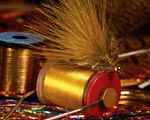
- Fly Tying Artificial Bodies
- Fly Tying Beads
- Fly Tying Chenille
- Fly Tying Dubbing
- Fly Tying Dyes & Venpol
- Eye's & Dumbbell's
- Fly Tying Feathers
- Fly Tying Furs
- Fly Tying Hooks
- Lead & Tungsten
- Fly Tying Legs
- Mylar Tubing & Braids
- Fly Tying Tinsels
- Fly Tying Threads
- Varnish & Thinners
- Fly Tying Wax
- Yarns & Flosses
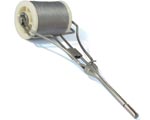
- Fly Tying Tools
- Bobbin Holders
- Bobbin Threader
- Dubbing Tools
- Fly Dryers
- Hackling Tools
- Hair Stackers
- Half Hitch Tools
- Lamps & Magnifiers
- Parachute / Gallows Tools
- Scissors
- Tweezers
- Whip Finish Tool
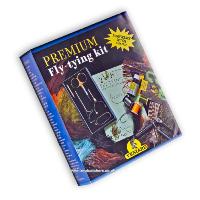
- Fly Tying Kits
- Tying Kit of Materials & Tools
- Fly Tying Tool Kits
- Beginners Fly Tying Kit
- Fly Tying Storage
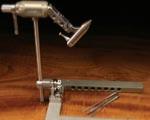
- Fly Tying Vices
- Tying Vices
- Marc Petitjean Vices and Accessories
- Peak Vises and Accessories
- Vice Accessories
- Fly Fishing Tackle
- Fly Fishing Tackle and Accessories
- Amadou Fly Drying Patch
- Angling Glue
- Fishing Comfort
- Fishing Forceps
- Floatants & Sinkants
- Floatant & Sinkant Holders
- Fly Fishing Tools & Gadgets
- Fly Fishing Zingers
- Fish Finder
- Landing Nets & Net Accessories
- Lanyards
- Line Trays
- Line Snips & Cutters
- No Knot Eyelets & Fas Snaps
- Priests & Marrowspoons
- Sunglasses & Accessories - Polarised
- Strike Indicators
- Tippets, Leaders & Casts
- Fly Rods - Reels - Lines & Accessories
- Snowbee Fly Rods
- Fly Rod Accessories
- Reels & Accessories
- Snowbee Combi Outfit - 20% DISCOUNT
- Snowbee Fly Lines
- Cortland FLy Lines
- Backing Lines
- Line Cleaning & Treatments
- Loop Connectors
- Rod Carriers
- Specialist Fly Fishing
- Carp-Catchers
- Turrall Carp Flies
- Turrall Pike Flies
- Turrall Coarse Fishing Flies
- Turrall Saltwater Flies
- Saltwater Fly Fishing Accessories
- On The Water
- Float Tubing
- Boating Accessories
- Kitchinalia & Hot Smokers
- Hot Smokers
- Filleting Knives & Boards
- Fish Freeze Tubes
- Flies & Fly Boxes
- Troutcatcher Exclusive Flies
- Troutcatcher Blob Flies
- Troutcatcher Booby Flies
- Troutcatcher Dry Flies
- Troutcatcher Fritz Pattern Flies
- Troutcatcher Lure & Streamer Flies
- Troutcatcher Nymph Flies
- Troutcatcher Wet Flies
- Turrall Fishing Flies
- Turrall Trout Fishing Flies
- Turrall Salmon Flies
- Turrall Sea Trout Flies
- Turrall Saltwater Flies
- Turrall Coarse Fishing Flies
- Mayfly Magic Flies
- Damsel Nymph Flies
- Daddy Long Legs Flies
- Fly Selections & Collections
- Turrall Fly Pod Selections
- Turrall Fly Collections
- Snowbee Fly Collections
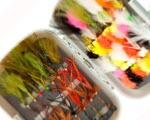
- Fly Fishing Boxes
- Snowbee Fly Boxes
- Turrall Fly Boxes
- Richard Wheatley Fly Boxes
- Wychwood Fly Boxes
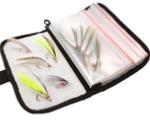
- Fly Saltwater / Predator Wallets
- Fly Wallets
- Spare Wallet Insert Bags
- Fishing Bags & Luggage
- Fishing Waders & Clothing

- Fishing Waders
- Snowbee Granite PVC Waders
- Snowbee Classic Neoprene Waders
- Snowbee Spectre Breathable Waders
- Snowbee STX2 Breathable Waders
- Snowbee 210D Nylon Wadermaster Waders
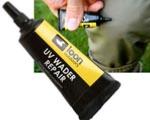
- Fishing Wader & Boot Accessories
- Wader Accessories
- Wader Repair Products
- Wading Boot Accessories

- Fishing Boots
- Wading Fishing Boots
- Boot Accessories

- Fishing Clothing
- Fishing Caps
- Fishing Gloves
- Fishing Hats
- Fishing Jackets
- Fishing Shirts
- Fishing Socks
- Fishing Trousers
- Fishing Winter Clothing
- Fleece Clothing
- Fly Fishing Vests
- Prestige Breathable Clothing
- Books-Mags-Gifts
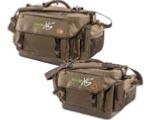


- Product Departments
- Fly Fishing Tackle & Accessories
- Backing Fly Lines
- Fishing Tackle Bags & Luggage
- Boat Accessories
- Books
- Carp Fly Fishing
- Fly Fishing Waders
- Wading Boots
- Technical Fishing Clothing
- Fish Wi Fi Finder
- Fly Fishing Flies
- Fly Boxes & Wallets
- Fly Box Fillers
- Float Tube
- Fly Fishing Lines
- Fly Tying Hooks & Shanks
- Tying Kits
- Tying Materials
- Tying Tools
- Fly Tying Vises
- Fly Rods & Rod Accessories
- Fly Fishing Combi Outfits
- Gift Vouchers
- Hot Fish Smokers
- Landing Nets & Accessories
- Fly Reels
- Saltwater Fly Fishing
- Sunglasses & Accessories
- Troutcatcher Brands
- Loyalty Points
SUBSCRIBE TO OFFERS - NEWS - UPDATES....
Be Sociable.....

Payment Options
- Get To Know Troutcatchers
- Troutcatchers Home
- Learn About Troutcatchers
- FIVE STAR Reviews
- Privacy Policy & GDPR
- Shipping Information
- Troutcatcher Returns Policy
- Loyalty Programme
- Terms and Conditions
- Helpful Fly Guides
- Fly Fishing for Beginners
- Setting up your Fly Kit
- Fly Fishing Rods - Help!
- Fly Line Care & Information
- Fly Fishing Guide Fly Reels
- Fishing Flies - The Basics
- Fishing Wader Help & Tips
- Correct Wader Sizing
- Fly Fishing Tackle HOT LINKS
- Fly Tackle
- Fishing Sunglasses
- Fly Boxes & Fly Wallets
- Snowbee Clothing
- Snowbee Waders
- Fly Fishing Rods
- Fly Fishing Reels
- Fly Fishing Line
- Fly Tying HOT LINKS
- Tying Kits
- Tying Materials
- Tying Tools
- Tying Feathers
- Fly Tying Fur
- Tying Hooks
- Tying Bobbin Holders
- Tying Vices
Copyright © 2026 - Fly Tying Materials - Tools & Fly Fishing Tackle