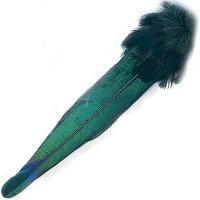
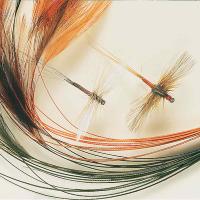
English Partridge Grey Neck Hackles uses soft, naturally flecked grey partridge neck feathers for lifelike movement in North Country spiders, wet flies and nymph collars. Their fine flexible barbs open and move on the swing, giving a simple fly considerable life.
Veniard English Partridge Grey Neck Hackles for Fly Tying
uses naturally flecked, soft grey partridge neck feathers from
troutcatchers to create mobile wet-fly hackles and subtle nymph collars. Four existing colour options offer different tones, and just one or two turns of the right feather create legs that pulse in the current instead of a stiff overdressed halo. Complete a sparse spider with fine
tying thread, keeping the hackle flexible and mobile.
English Partridge Grey Neck Hackles Key Features and Benefits
- Soft grey and white-flecked barbs give an exceptionally natural-looking mobile collar.
- Four current options: Natural Grey, Yellow, Olive and Green.
- Short, fine neck feathers can be selected for delicate spiders and nymph thorax collars.
- In the water, pulsing barbs suggest legs, gills and struggling insect movement without a heavy, over-dressed body.
Top Tips for Using English Partridge Grey Neck Hackles
- Select a single feather of suitable size; two turns are often enough on a small spider.
- Strip the lower fluffy fibres and tie by the tip for a neat soft collar.
- Keep the hackle sparse so each barb can move independently in the current.
- Try muted bodies under a grey feather and dyed accents when stronger contrast is useful.
Fly Patterns and Uses for English Partridge Grey Neck Hackles
- For Partridge and Orange spiders, grey flecked neck hackle creates the delicate mobile collar on the classic North Country pattern.
- When tying Partridge and Yellow spiders, a thin yellow silk body and soft hackle remain visible and suggestive in a gentle swing.
- On March Brown wet flies, use natural grey hackle for movement around the thorax without a bulky wing.
- In Pheasant Tail nymph variants, a few fibres at the thorax suggest legs and gills during a dead drift.
English Partridge Grey Neck Hackles Frequently Asked Questions
What makes a partridge neck hackle different from cock hackle?
Partridge is soft and mobile. Genetic cock hackle is stiffer and better at supporting dry flies; these grey-neck feathers are chosen for wet-fly motion.
How many turns are needed for a spider?
Usually one or two light turns are enough. A sparse hackle suggests movement much more convincingly than a dense collar.
Which shade should I start with?
Natural Grey is a versatile traditional choice; Olive, Yellow and Green let you build alternative coloured spiders and nymphs.
What complements English Partridge Grey Neck Hackles when tying a fly?
Useful partners are Fly threads for fine orange or yellow thread bodies for spiders and Fly dubbing for a slim natural thorax underneath the hackle.